Illustration Industry Trends Shaping Advertising, Editorial, and Branding in 2026
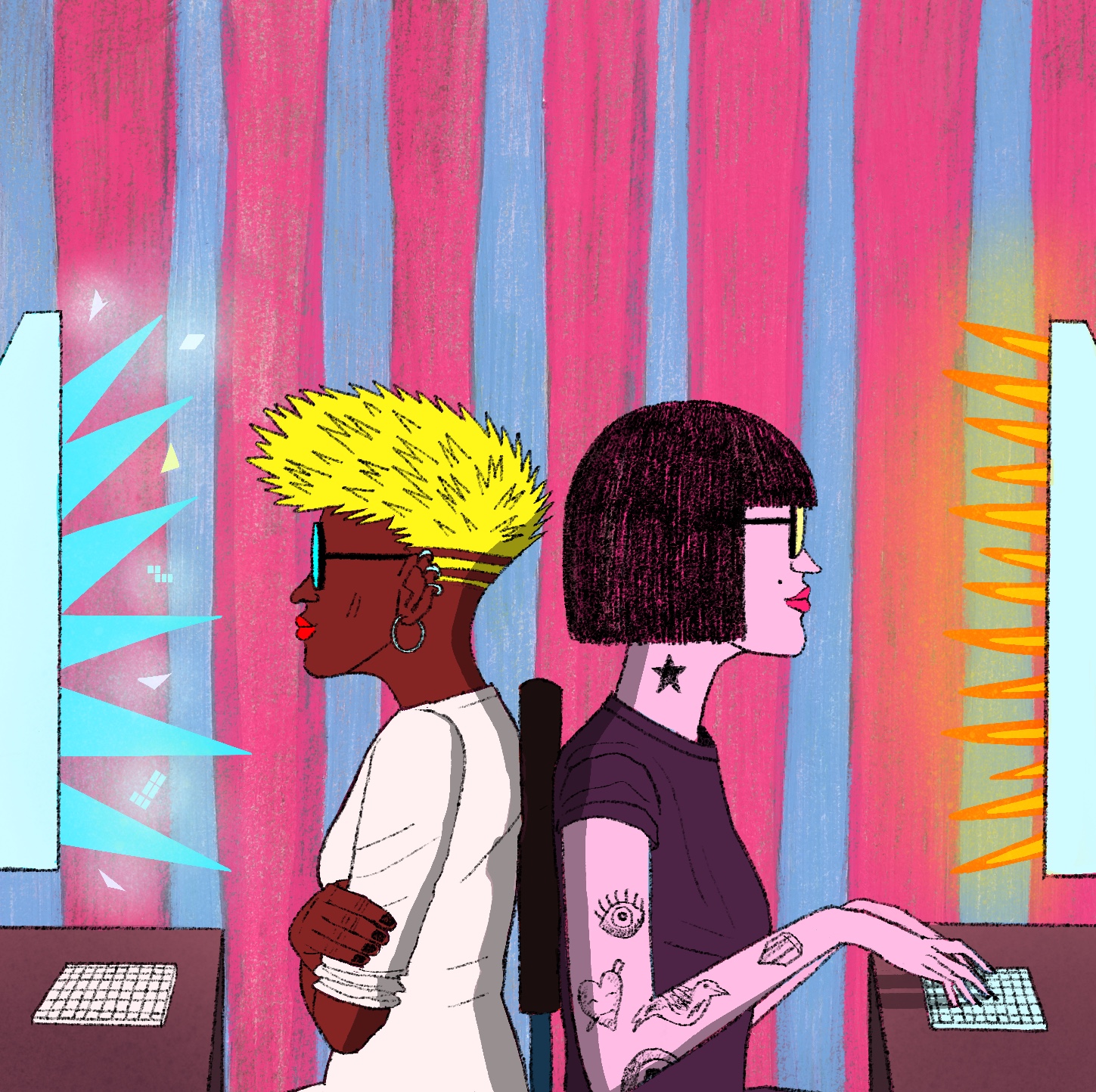
Illustration/Japa
The illustration industry continues to evolve rapidly as brands, publishers, and creative agencies increasingly turn to visual storytelling to connect with audiences in more emotional, authentic, and memorable ways. In 2026, illustration is no longer simply decorative — it has become a strategic communication tool used across advertising campaigns, editorial design, branding, packaging, publishing, animation, and digital content.
At Anna Goodson Illustration Agency, we work closely with international brands, art directors, publishers, and creative teams, giving us a front-row view of the trends shaping the future of contemporary illustration.
Here are some of the biggest illustration trends defining the industry right now.
Human-Centered Illustration Continues to Grow
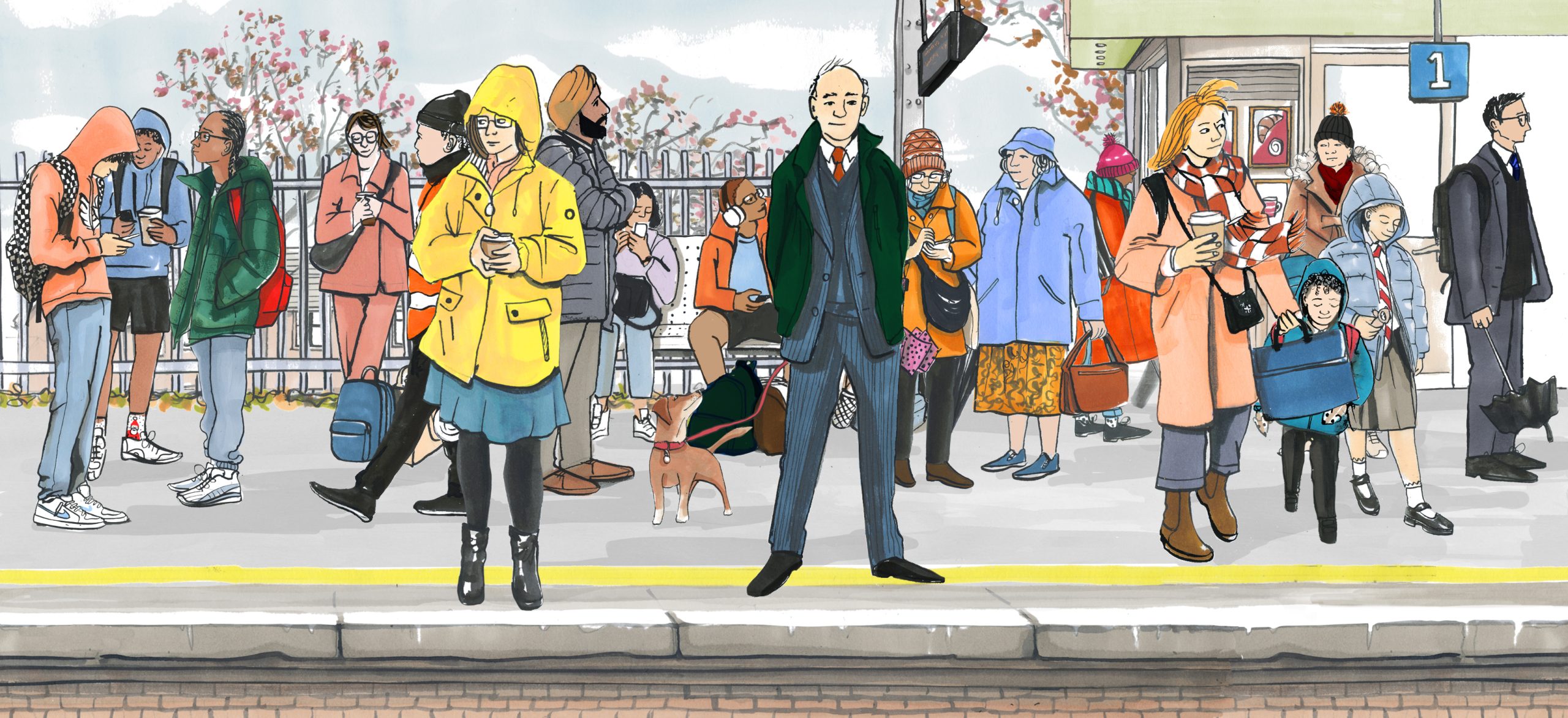
Illustration/Clare Mallison
As AI-generated imagery becomes more common online, brands are increasingly seeking original artwork that feels human, emotional, and distinctive. Clients want illustration styles that communicate personality, warmth, and authenticity rather than generic visuals.
Illustrators who bring strong conceptual thinking, hand-crafted textures, expressive linework, and unique visual voices are becoming even more valuable in advertising and editorial markets. Human-made illustration helps brands stand apart in a crowded digital landscape and creates stronger emotional engagement with audiences.
This growing demand is especially visible in editorial illustration, where publications continue to prioritize storytelling-driven imagery that communicates complex ideas in thoughtful and visually compelling ways.
Branding Illustration Is Becoming Essential
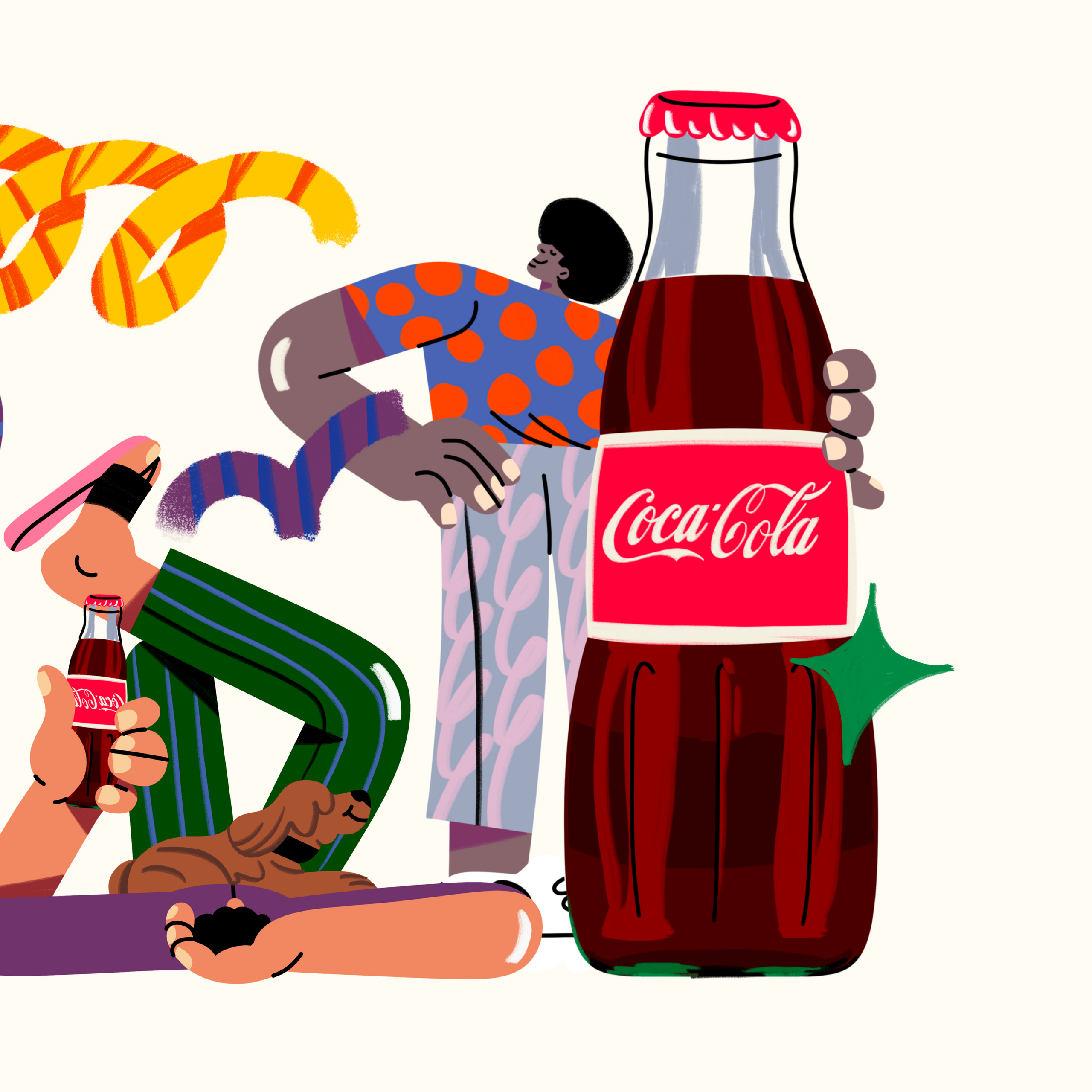
Illustration/Raphael Mandes
More companies are investing in custom brand illustration systems to create consistent and recognizable visual identities. From technology startups to global consumer brands, illustration is increasingly being used across websites, packaging, social media campaigns, mobile apps, advertising, and internal communications.
Brands are moving away from overused stock photography and toward custom illustrations that feel unique to their identity. This trend has created strong demand for illustrators specializing in:
- branding illustration
- character design
- icon systems
- motion graphics
- animation
- conceptual storytelling
Illustration is now a key component of brand identity design rather than an afterthought.
Editorial Illustration Remains Highly Influential
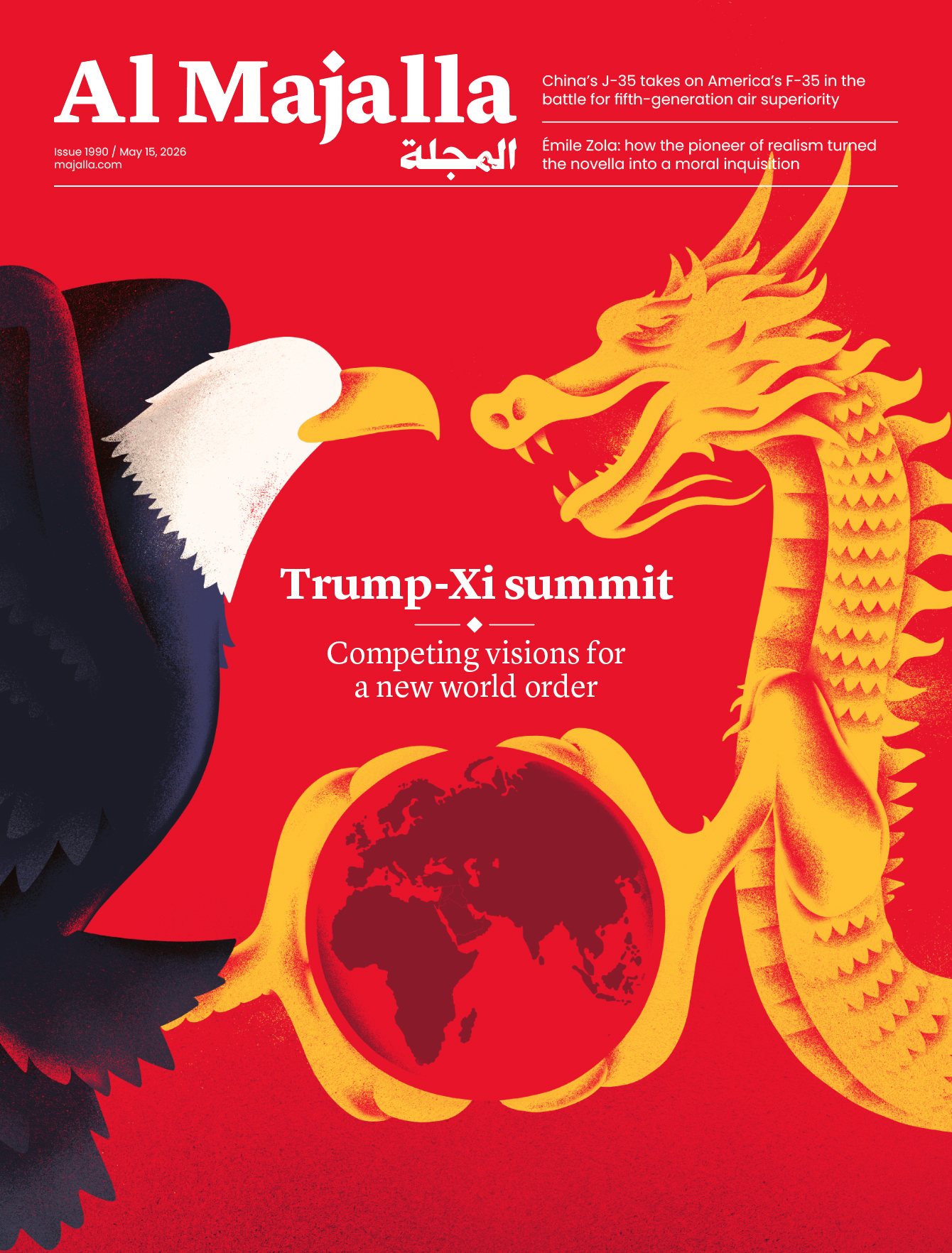
Illustration/Sébastien Thibault
Despite the constant evolution of digital media, editorial illustration continues to thrive. Newspapers, magazines, online publications, and cultural journals rely on illustrators to visually interpret social issues, politics, mental health, technology, business, and culture in ways photography often cannot.
Today’s editorial illustration trends include:
- bold conceptual imagery
- simplified compositions
- symbolic storytelling
- diverse representation
- expressive typography integration
- animated editorial visuals for digital publishing
Publications are increasingly commissioning illustrations that can work across both print and digital formats, including motion-based editorial content for websites and social media.
Animation and Motion Design Are Expanding Rapidly
Animation/ Andy Potts
Motion has become one of the fastest-growing areas within the illustration industry. Brands are looking for animated content that performs well across social media platforms, digital advertising, websites, and mobile experiences.
Short-form animated illustrations, looping GIFs, and motion graphics are now widely used in:
- advertising campaigns
- explainer videos
- app design
- editorial storytelling
- social media marketing
- branded content
Illustrators who can combine strong static imagery with animation skills are increasingly in demand as clients seek more dynamic visual experiences.
Diversity and Inclusive Storytelling Matter More Than Ever
Gif Illustration/Diego Blanco
Authentic representation continues to be a major priority across publishing, advertising, and editorial industries. Clients are actively searching for illustrators whose work reflects diverse cultures, identities, communities, and lived experiences.
Illustration has become a powerful tool for communicating inclusivity and social awareness in ways that feel approachable, emotional, and relatable. This shift has encouraged brands and publishers to collaborate with artists from a broader range of backgrounds and visual perspectives.
Inclusive storytelling is no longer considered a trend — it has become an expectation across the creative industry.
Children’s Book Illustration Is Evolving
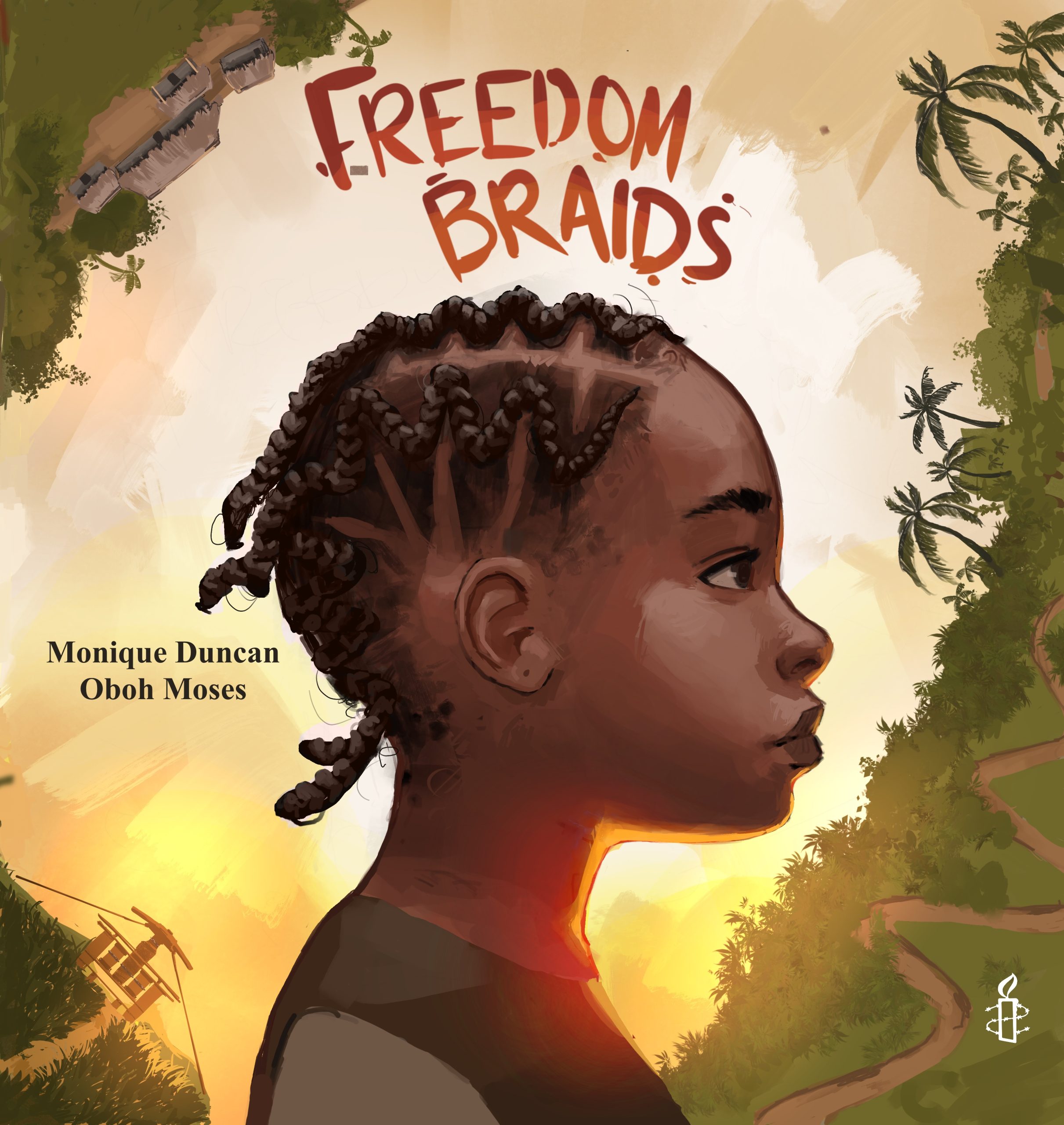
Illustration/Oboh Moses
Children’s publishing continues to expand globally, with publishers seeking contemporary illustration styles that feel emotionally engaging, visually rich, and adaptable to both print and digital platforms.
Current trends in children’s book illustration include:
- expressive character design
- cinematic compositions
- textured digital painting
- diverse family representation
- educational storytelling
- playful typography integration
Publishers are also increasingly looking for illustrators who can help extend book properties into animation, merchandising, and interactive media.
Sustainability and Slow Design Influence Visual Trends

Illustration/Stephanie Wunderlich
As sustainability becomes more important to brands and consumers, many companies are embracing illustration styles that feel more organic, handcrafted, and timeless.
Natural textures, imperfect shapes, softer palettes, and analog-inspired aesthetics are becoming increasingly popular in branding and packaging design. These visual approaches help communicate transparency, craftsmanship, and emotional connection.
This trend is particularly strong within:
- food and beverage branding
- wellness brands
- publishing
- hospitality
- eco-conscious packaging
AI Is Changing the Industry — But Not Replacing Creativity
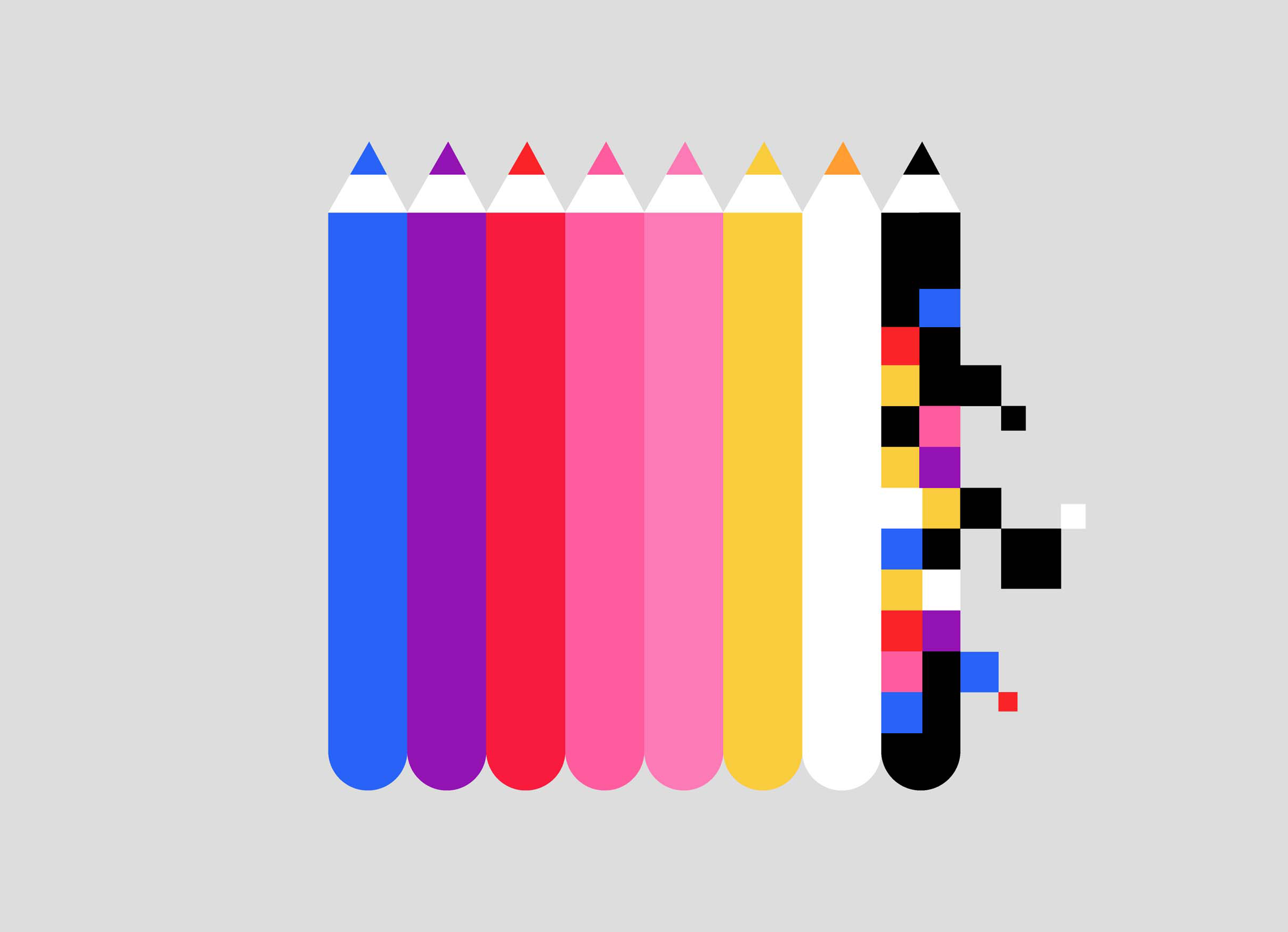
Illustration/Jennifer Tapias Derch
Artificial intelligence has become one of the most discussed topics in the creative world. While AI-generated imagery is influencing workflows and content production, it has also increased appreciation for originality, conceptual thinking, and artistic voice.
Clients still rely on professional illustrators for:
- creative direction
- storytelling
- emotional intelligence
- visual strategy
- originality
- collaboration
- brand interpretation
The future of illustration will likely involve a balance between technology and human creativity, but authentic artistic vision remains irreplaceable.
The Future of Illustration
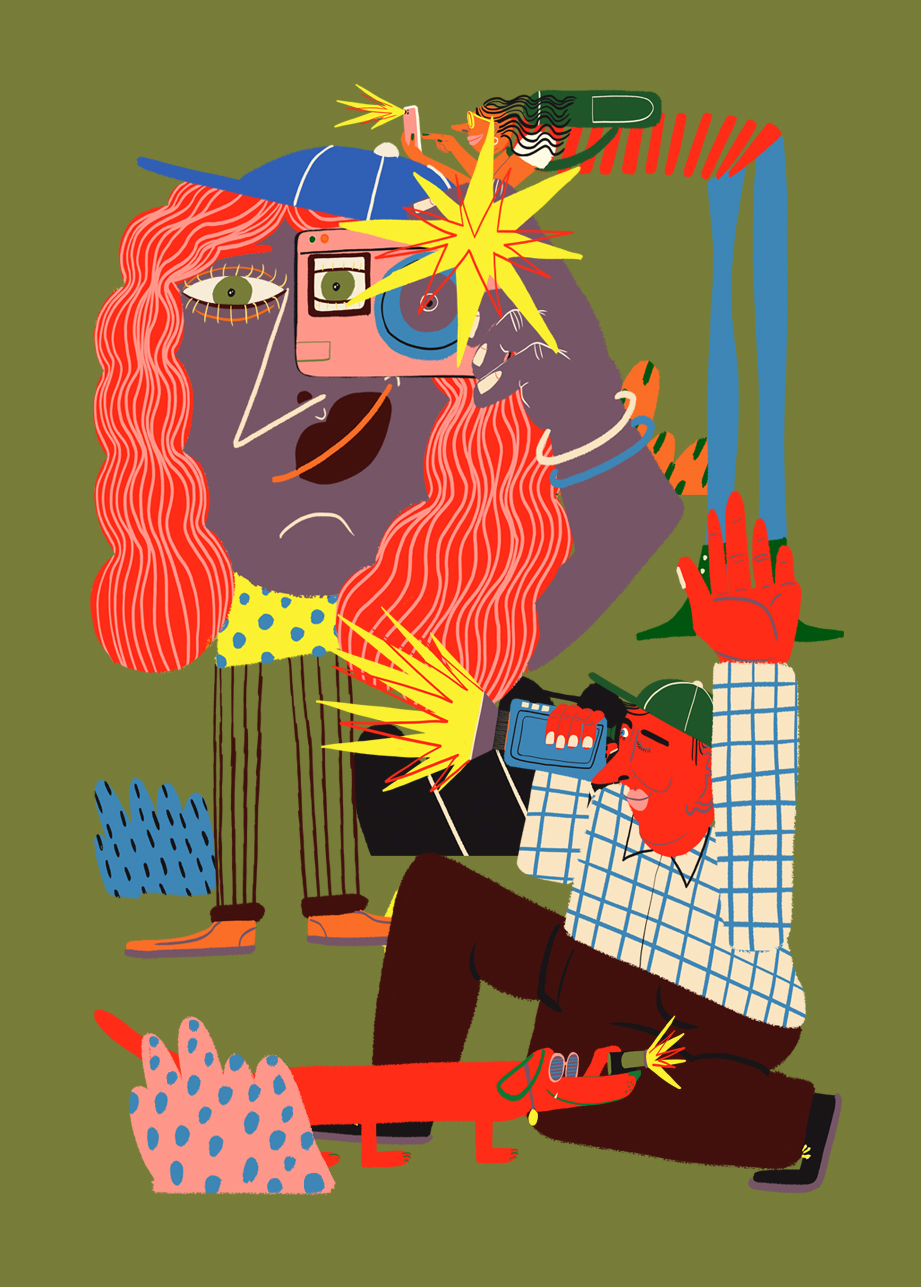
Illustration/Miguel Manich
The illustration industry is entering one of its most exciting periods. As digital communication becomes increasingly visual, brands and publishers continue to recognize the value of illustration as a powerful storytelling medium.
From editorial illustration and branding to animation and publishing, demand for strong visual narratives continues to grow across industries worldwide.
At Anna Goodson Illustration Agency we believe the future belongs to illustrators who combine originality, conceptual depth, adaptability, and emotional storytelling. As trends evolve, one thing remains clear: great illustration continues to create meaningful human connection in ways few other visual mediums can.